Trampoline Size Guide: Choosing the Right Option for Your Backyard
This page contains affiliate links and we may earn a commission on purchases.
Choosing the right trampoline size can be challenging, but this guide will help you find the perfect fit for your family and backyard. We’ll cover everything from how trampolines are measured to the different sizes available and the space you’ll need.
How is a Trampoline Measured?
Understanding trampoline measurements is key to making the right choice. Trampolines are measured by the diameter of the frame, from one side to the other. Remember, the size includes the jumping surface and the springs or pads.

Note: If your trampoline has a safety net, the “trampoline size” or “trampoline width” likely refers to the measurement between the safety poles. As these often curve outwards, this measurement may be larger than the width of the mat or frame.
Trampoline Sizes in Australia
Selecting the right trampoline size is important for both safety and enjoyment. Here's a breakdown of common trampoline sizes in Australia:
- Small (2.7m/8ft): Ideal for young children and smaller yards.
- Medium (3.2m/10ft): Suitable for older children and medium-sized yards.
- Large (3.8m/12ft): Perfect for families with multiple kids and larger yards.
- Extra Large (4.3m/14ft): Best for spacious outdoor areas and multiple jumpers.
Choosing a larger trampoline offers more room for jumping and tricks but requires more space in your backyard.
Space Requirements for a Trampoline
It's essential to consider the space needed for a trampoline. In their size guide, Springfree recommends at least 1.5m clearance on all sides of the trampoline. So, for a 3m (10ft) trampoline, you'll need a 6m by 6m area. Ensure the space is free from obstacles like trees, fences, and buildings to prevent accidents.
Choosing the Right Trampoline Size
The right trampoline size depends on several factors: the age and number of users, available space, and your budget.
Larger trampolines provide more jumping space and can accommodate more users, making them ideal for families with multiple children. However, they also take up more space and can be more expensive.
Important
Whichever trampoline you choose, we highly recommend purchasing an anchor kit to secure your trampoline to the ground.
Considerations for Different Age Groups
- Young Children (under 6 years): A small trampoline (2.7m/8ft) is usually sufficient.
- Older Children (6-10 years): A medium trampoline (3.2m/10ft) offers more space for play.
- Teenagers and Adults: A large (3.8m/12ft) or extra-large (4.3m/14ft) trampoline provides ample space for more intense jumping and tricks.
Springless vs Spring Trampolines
Springless trampolines use elastic straps, flexible rods, or leaf springs instead of traditional metal springs. These designs are generally safer because there's less risk of children getting caught in or injured by the springs. Springless models often provide a larger jumping surface, as the springs and frame are located beneath the mat.
Weight Limits
Every trampoline comes with a maximum weight limit, which is crucial for safety. These limits typically range from 100kg to 250kg. When choosing a trampoline, consider the combined weight of all potential users to ensure it can safely accommodate everyone.
Take the Quiz
Our trampoline quiz helps you narrow the right option for your family, yard, and budget.
Take the QuizTrampoline Shapes: Round vs Rectangular
Round Trampolines
- Advantages: More affordable, safer as they direct jumpers towards the centre, ideal for recreational use.
- Disadvantages: Limited space for multiple jumpers, lower bounce compared to rectangular trampolines.
Rectangular Trampolines
- Advantages: Higher bounce, multiple sweet spots for jumping, ideal for gymnastics and tricks.
- Disadvantages: More expensive, requires more space, less safe for multiple jumpers without proper supervision.
Cost of Trampolines
The price of trampolines in Australia varies widely based on size, brand, and features. Here's a general pricing guide:
- Budget Trampolines ($100-$400): Basic models with fewer safety features.
- Mid-Range Trampolines ($400-$1000): Good balance of quality and safety features.
- High-End Trampolines ($1500+): Premium models with advanced safety features and durable construction, such as Springfree and Vuly Thunder Pro.
Tips for Buying a Trampoline
- Measure Your Space: Ensure you have enough room for the trampoline plus the required safety clearance.
- Consider Future Needs: If your children are young, consider getting a larger trampoline they'll grow into.
- Check Weight Limits: Make sure the trampoline can support the combined weight of all users.
- Safety Features: Look for models with safety nets, padding, and secure frames.
- Read Reviews: Check customer reviews and ratings to ensure you're buying a reliable and safe trampoline.
Still trying to decide on the right trampoline for your family? Take our Trampoline Quiz.
Related articles
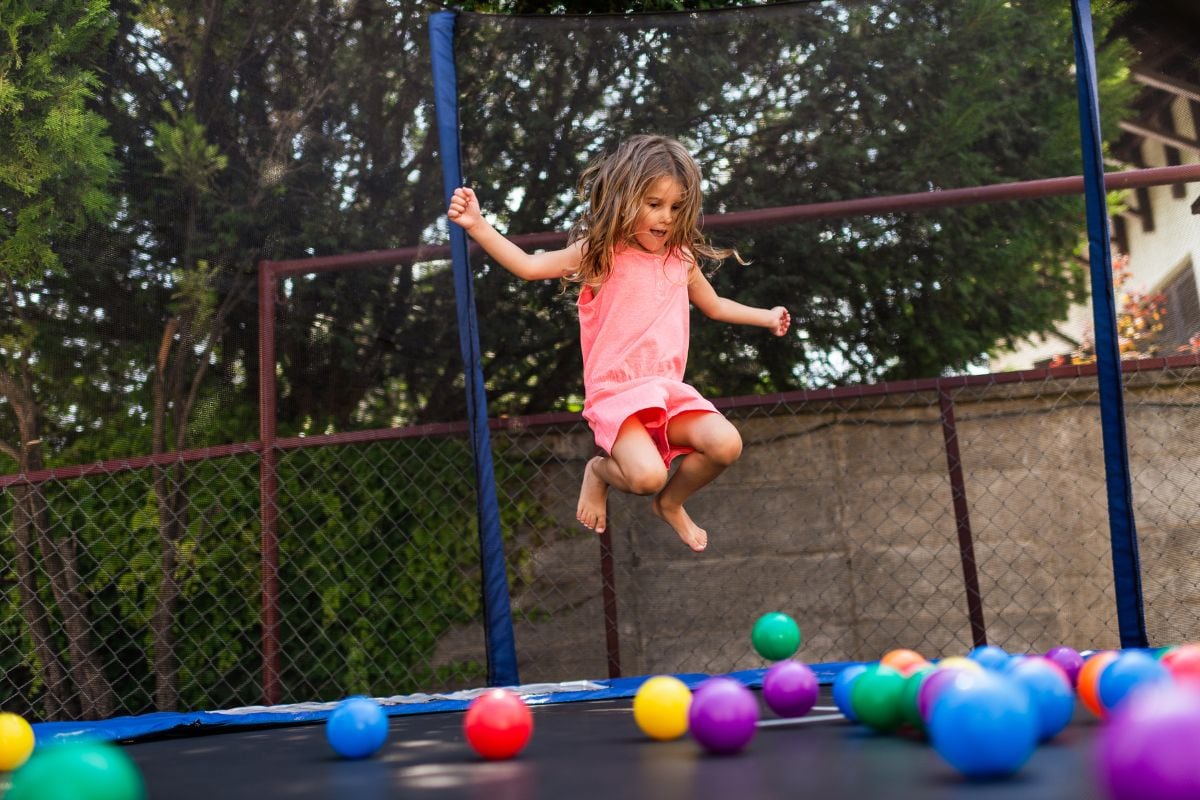
The Best Trampolines in Australia for 2026
The best trampolines in Australia for 2026, comparing safety, durability, and value across top models from Vuly, Jumpflex, and Springfree to suit different budgets and backyards.
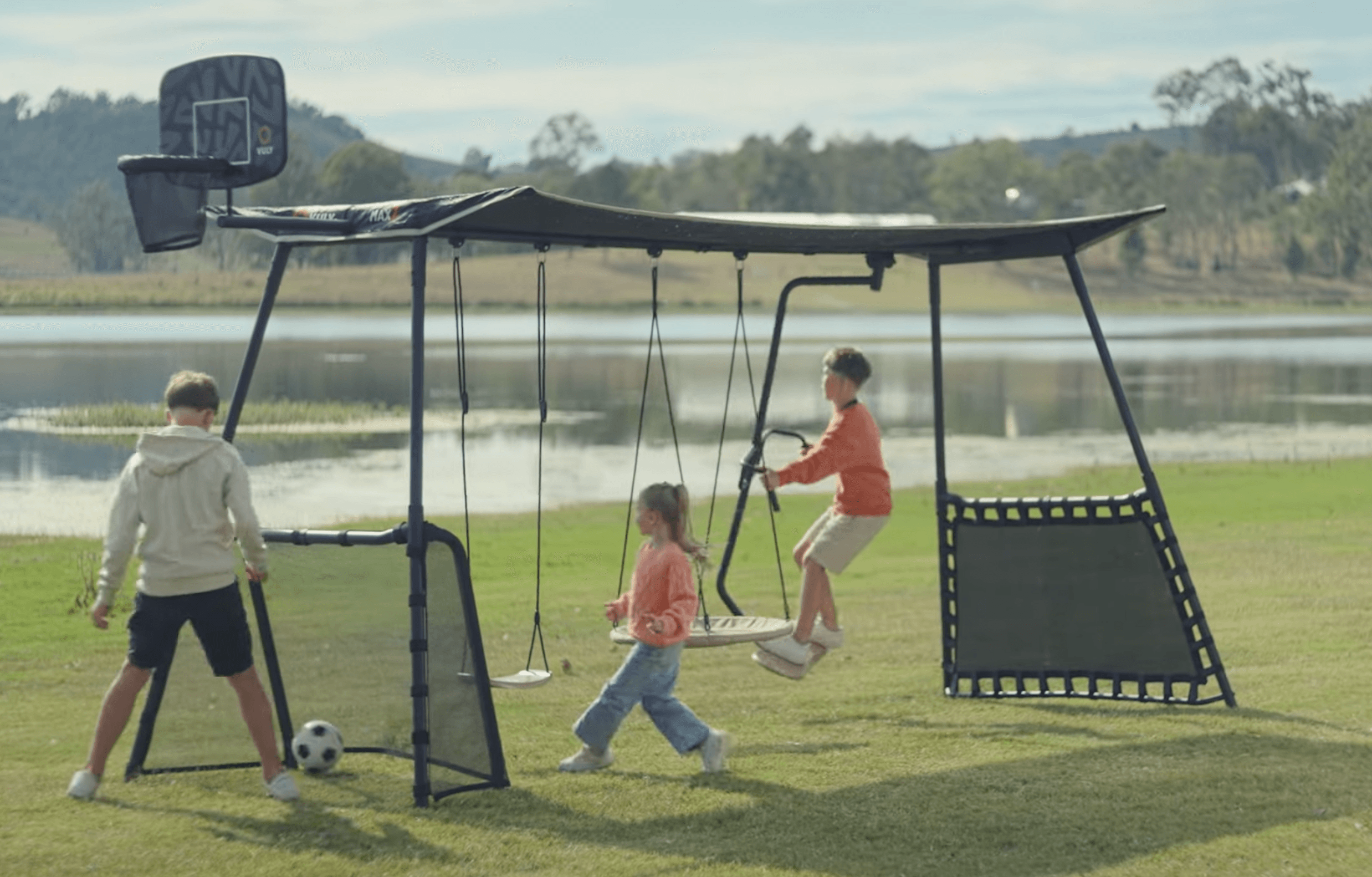
Vuly Max 2.1 Swing Set Comparison: Large vs C1 vs C2 vs C3
The right choice depends on your yard size, your children’s ages, and whether you prefer the cubby hideout or the built-in soccer goal.
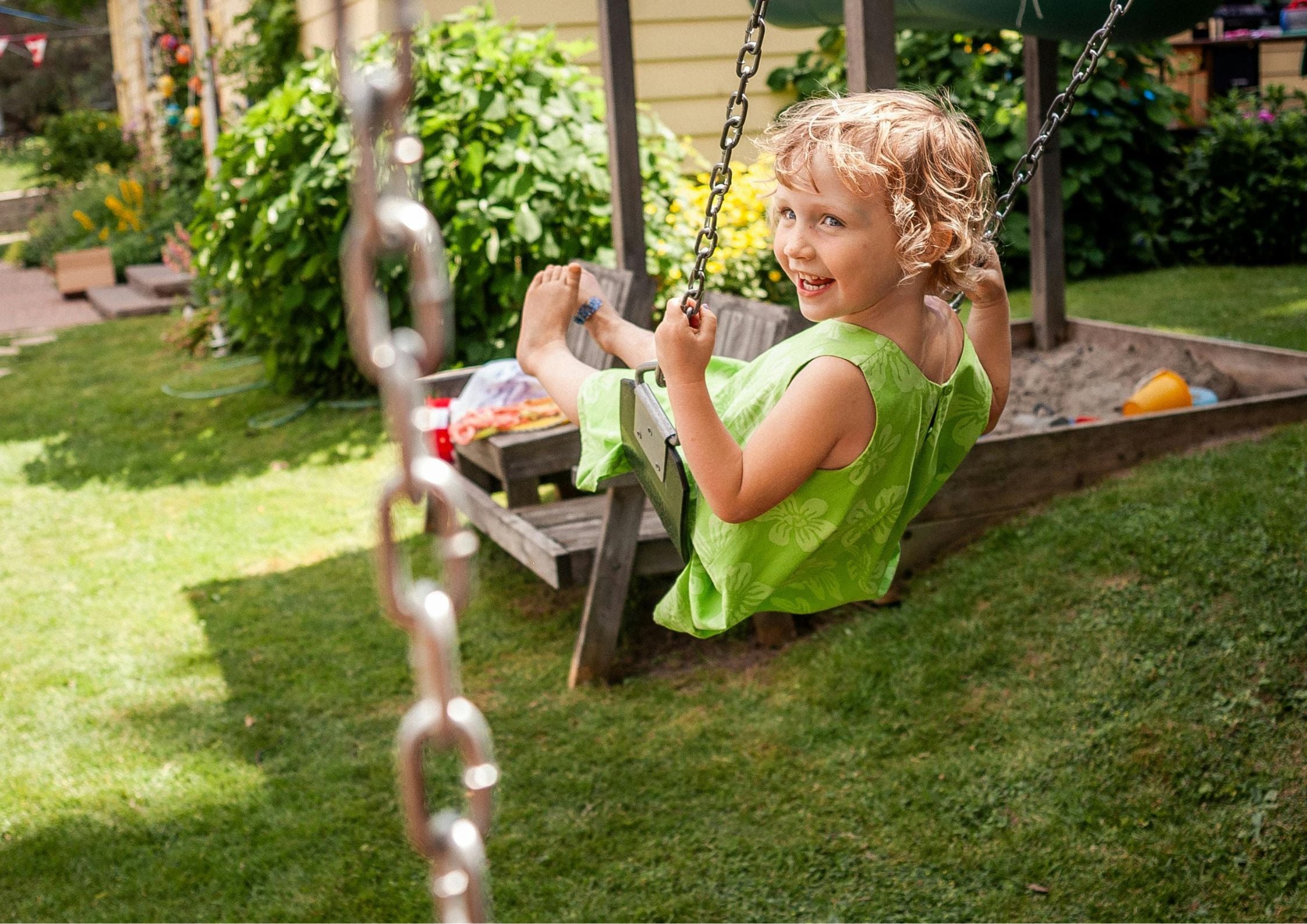
The Best Swing Sets for Australian Families
For pure swing systems with long-term durability, Vuly Max 2 and Funky Monkey Bars justify their higher prices through steel construction and strong warranties.